Mammals
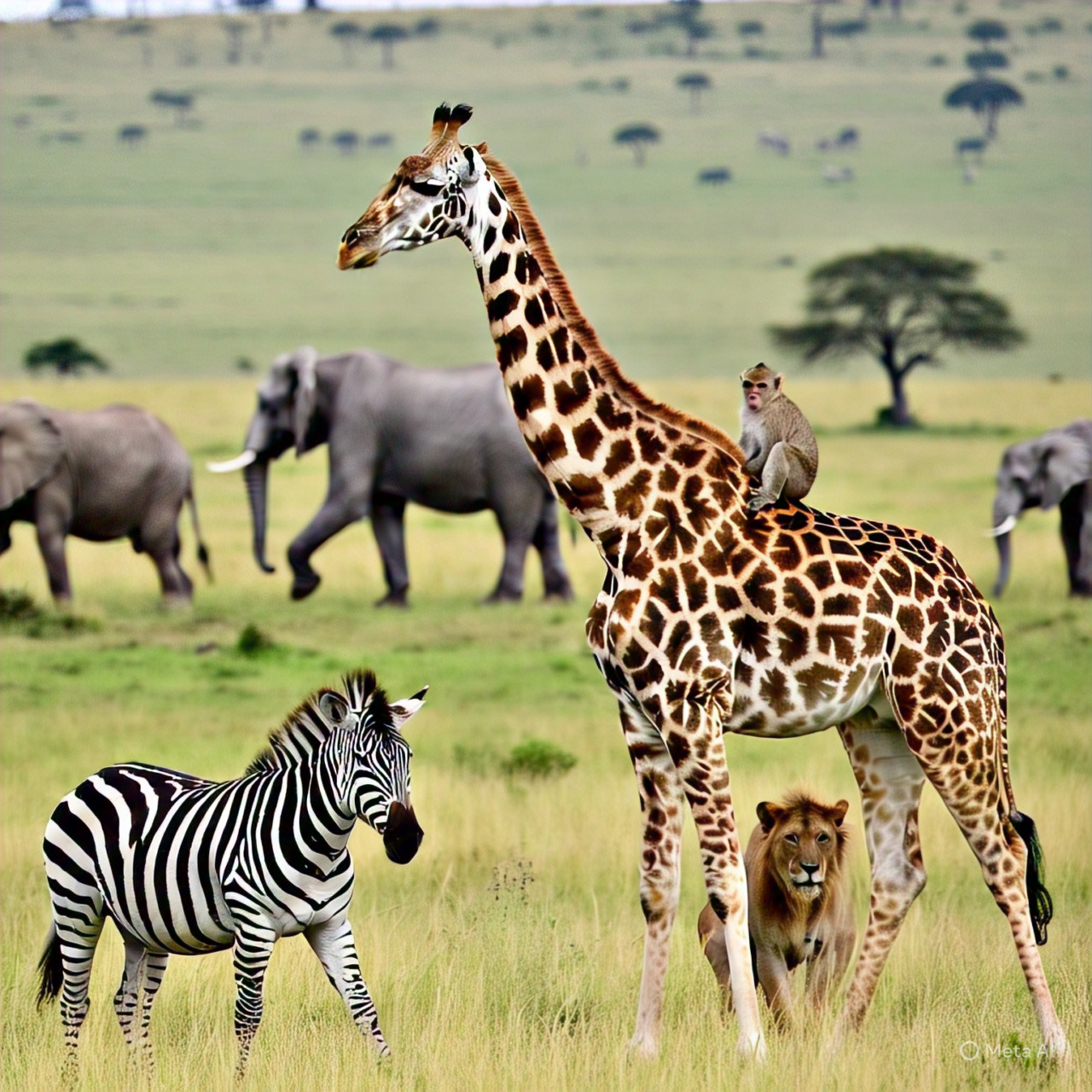
Mammals are warm-blooded animals with hair or fur on their bodies.
Most mammals give birth to live babies and feed them milk from the mother.
Examples: humans, lions, cats, elephants.
Fish
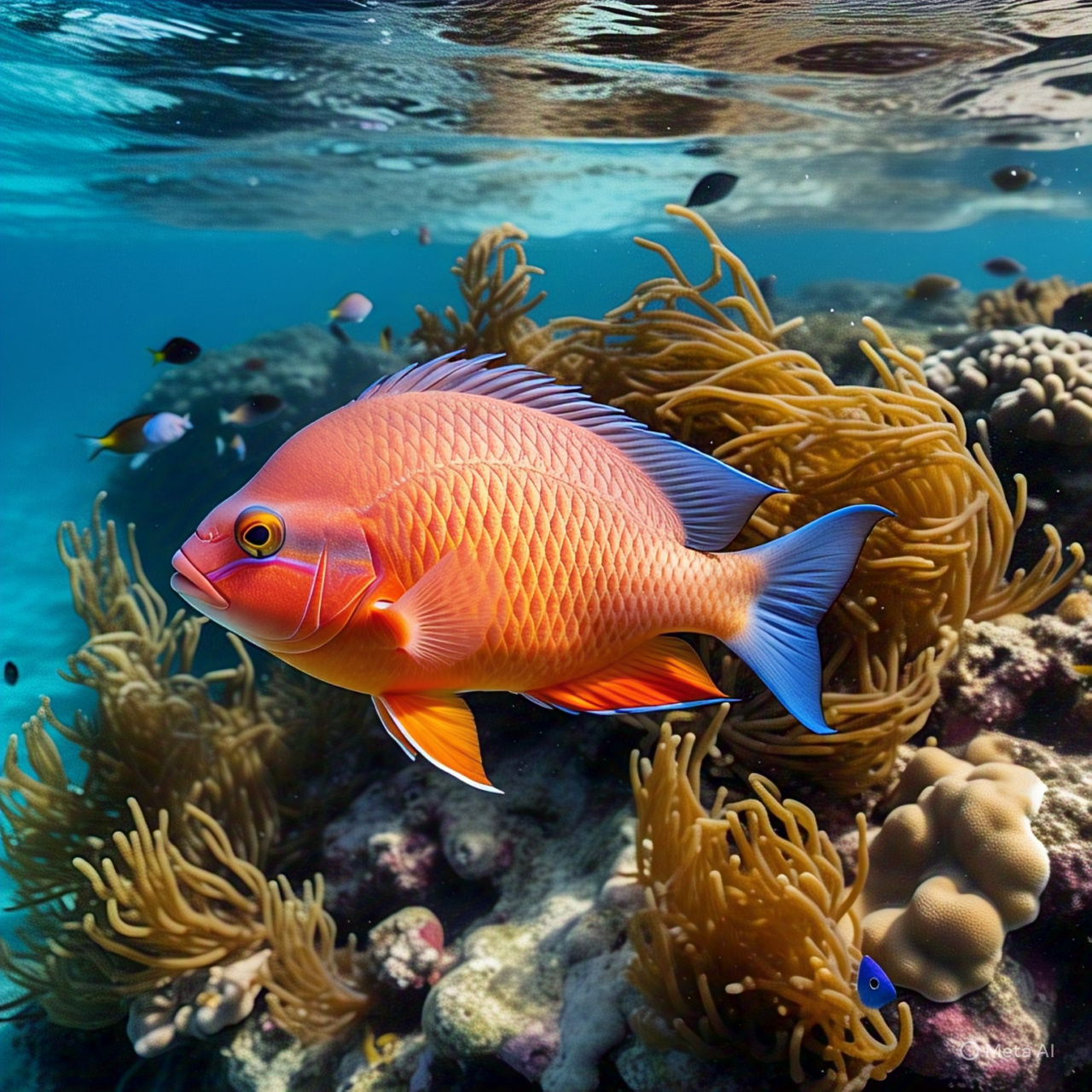
Fish are aquatic vertebrates that belong to the group Osteichthyes (bony fish) or Chondrichthyes (cartilaginous fish, such as sharks and rays). They are found in nearly all aquatic environments, from freshwater rivers and lakes to the deep sea.
Molusks
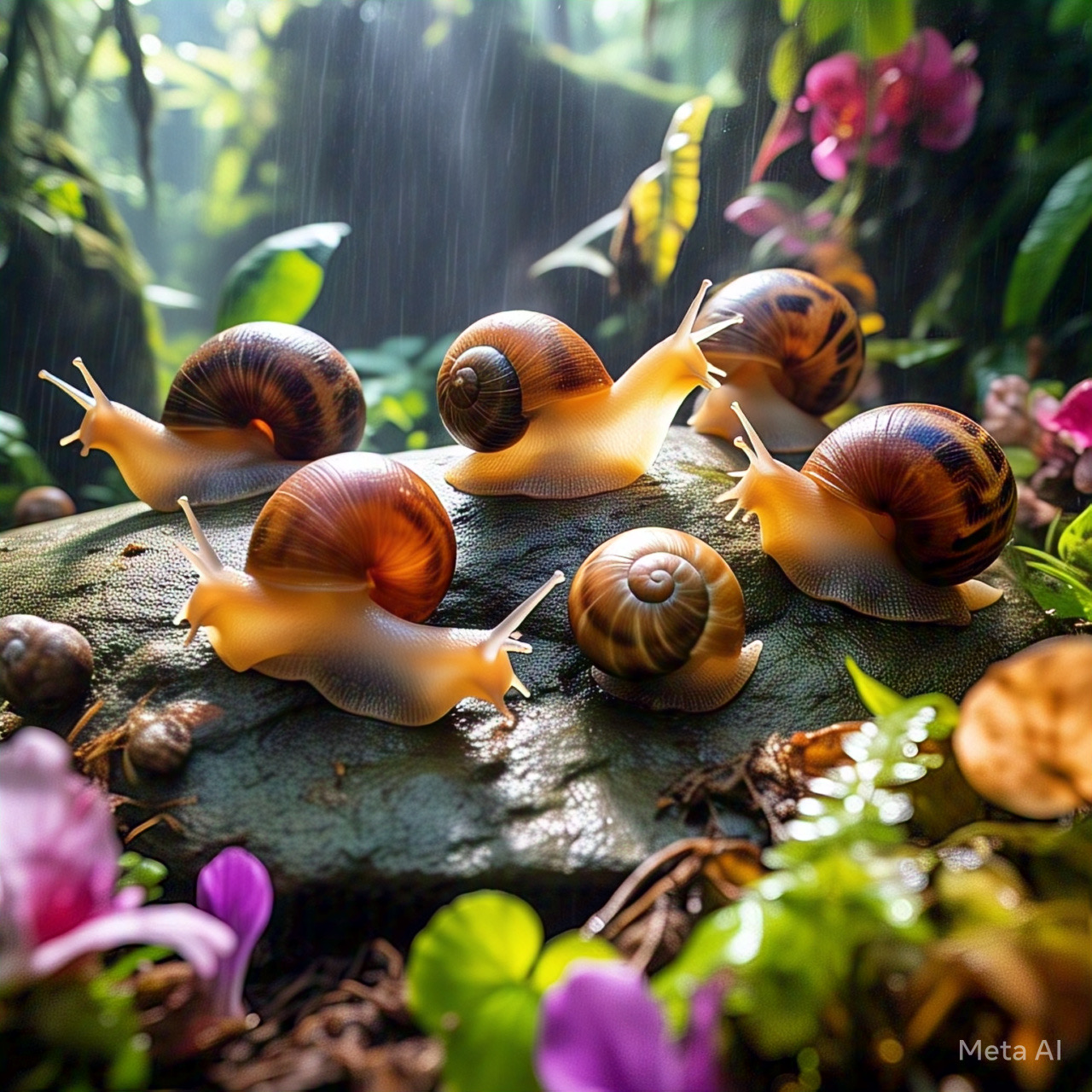
Mollusks have soft bodies, and some have a shell for protection. Some live in the sea,
while others live on land.
Examples: snail, octopus, clam.
Some live in the sea, while others live on land.
Arachnids
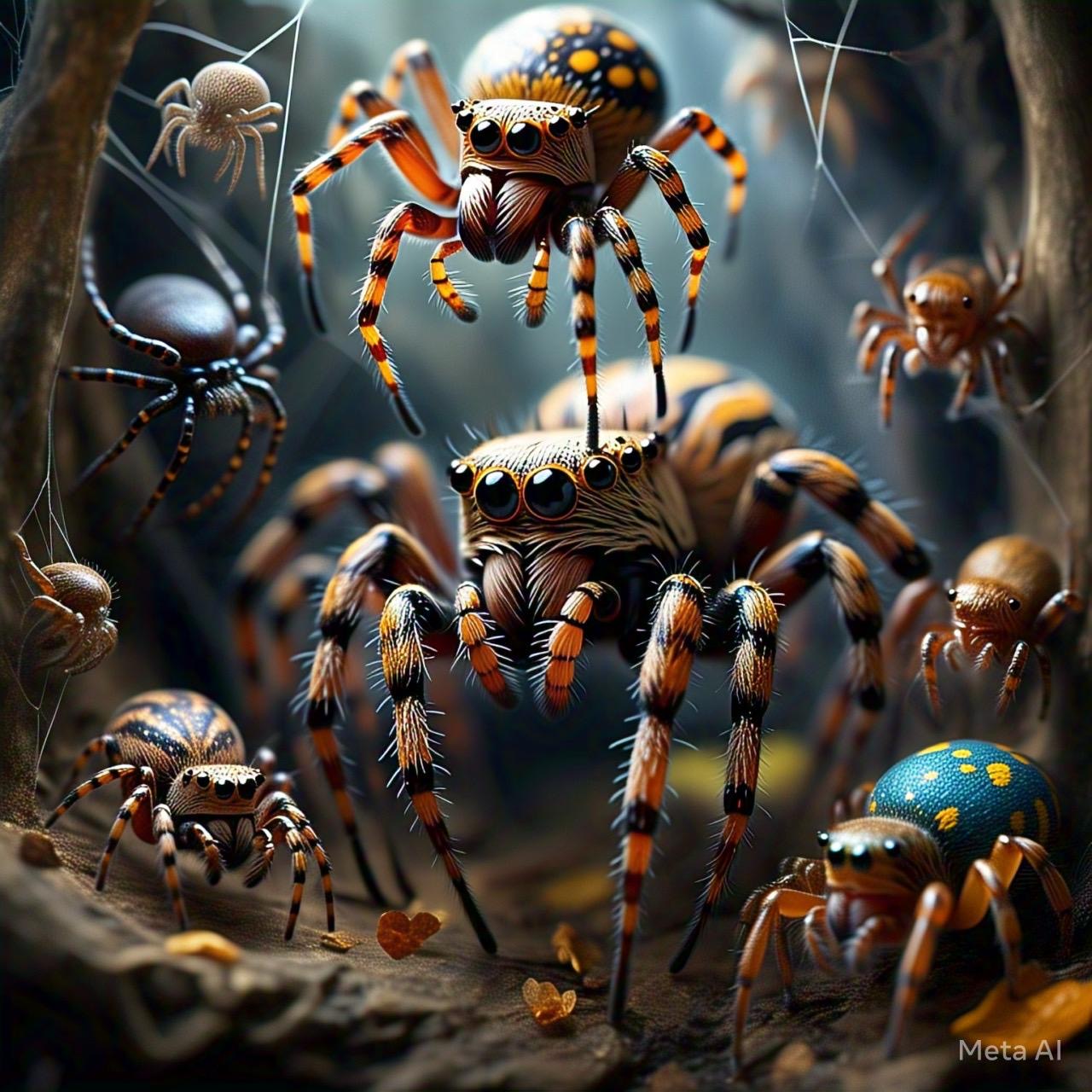
Arachnids are eight-legged arthropods with two body segments (cephalothorax and abdomen) and no antennae. Major groups include spiders (web-spinners). They breathe via book lungs or tracheae and mostly feed on insects, playing key ecosystem roles.
Insects
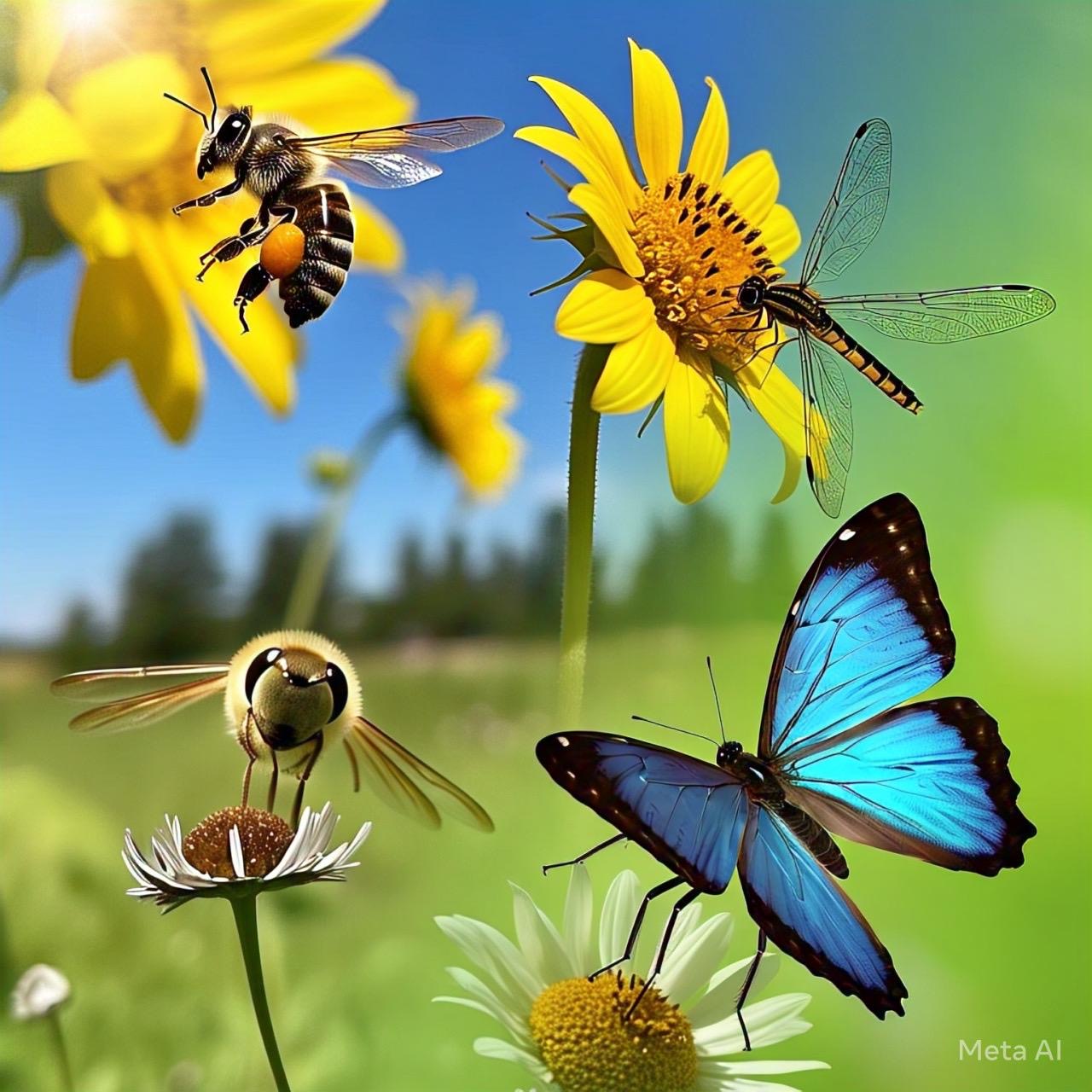
Insects have six legs and their bodies are divided into three parts: head, thorax, and abdomen. Many insects have wings. They are the largest group of animals.
Examples: bee, butterfly, ant.
Birds
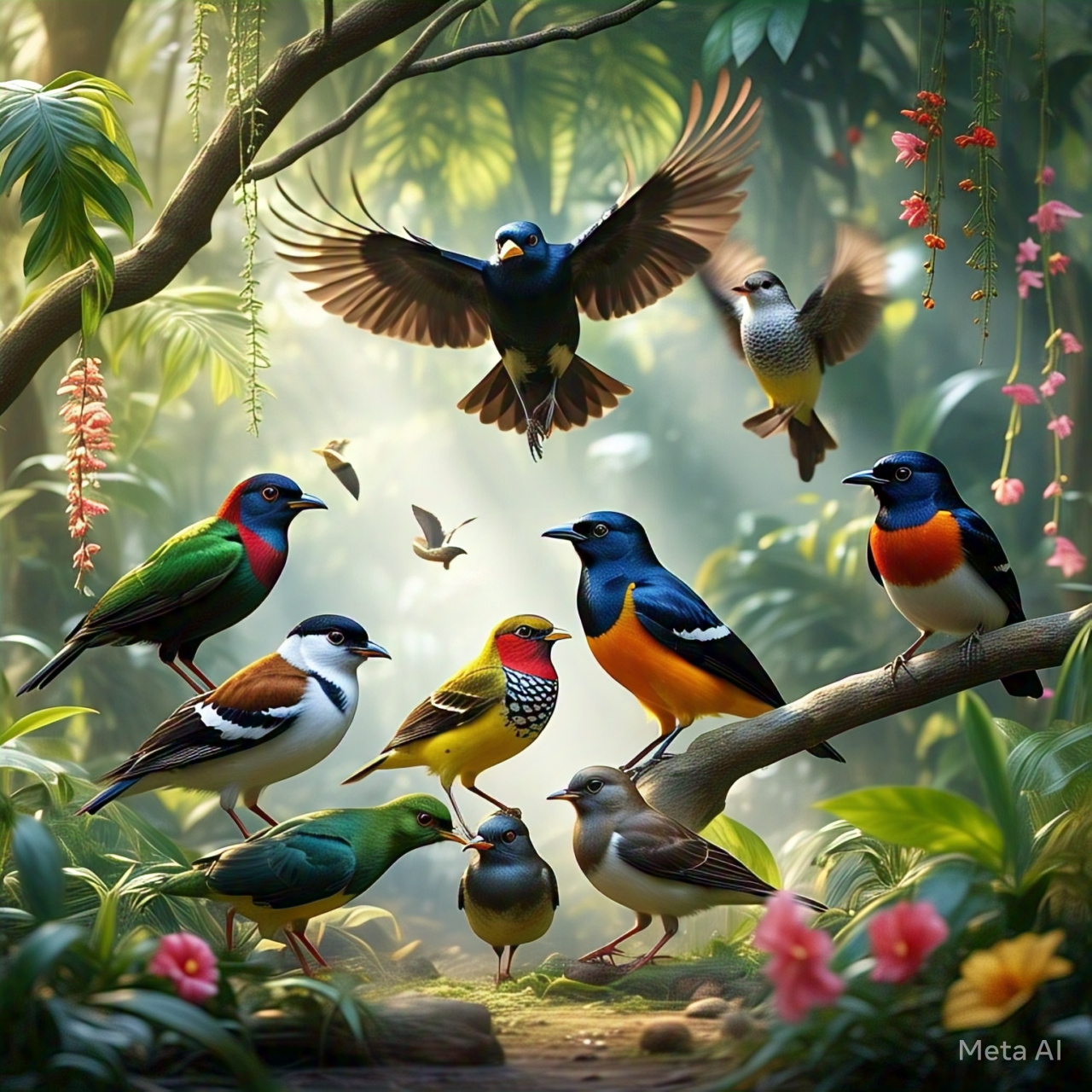
Birds have feathers, wings, and most of them can fly. They have beaks and no teeth, and all birds lay eggs.
Examples: sparrow, pigeon, eagle, penguin.